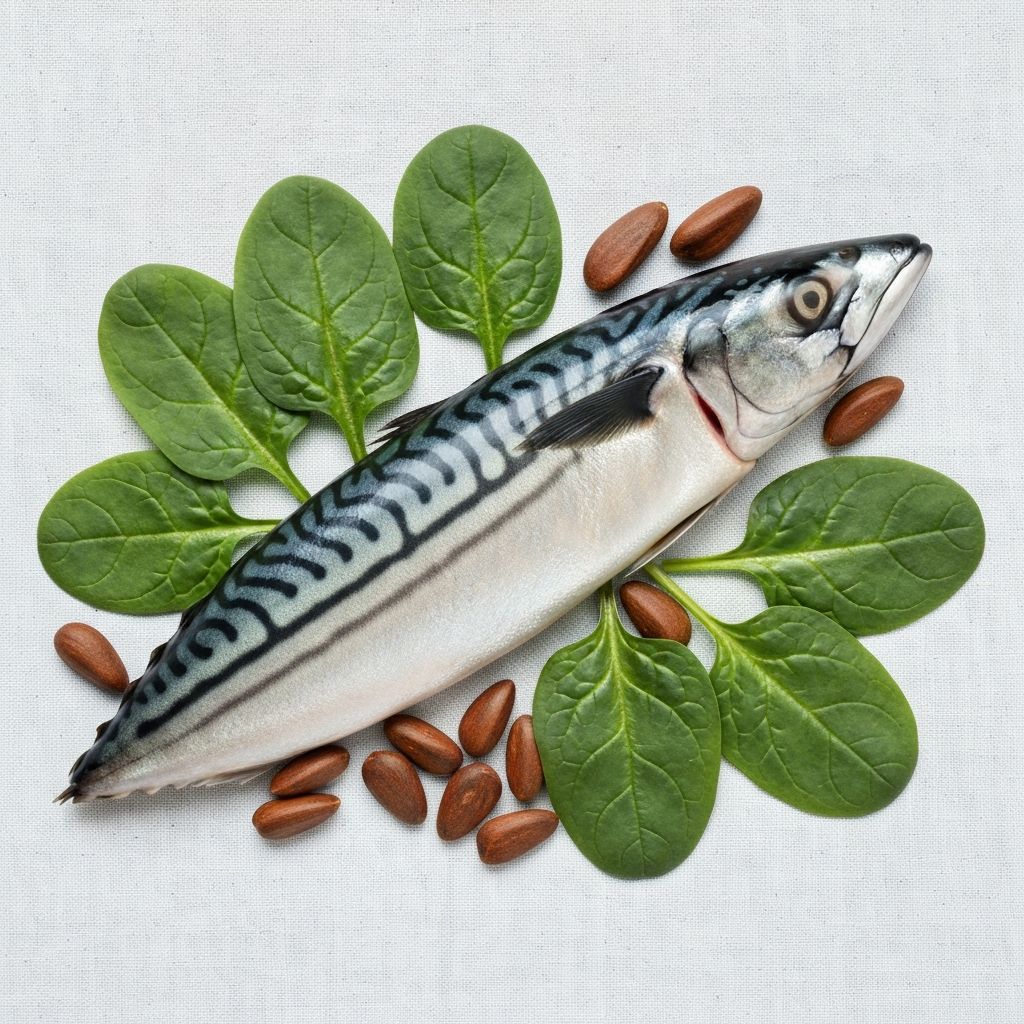
Understanding Natural Nutrition for Men
Educational content exploring the role of natural food sources and essential nutrients in daily nutrition for adult males.
Educational content only. No promises of outcomes.
Basics of Balanced Nutrition
Balanced nutrition for adult men involves understanding how different food sources contribute to daily nutrient intake. This guide explains the fundamental roles of key nutrients in physiological processes and identifies natural food sources where these nutrients are found.
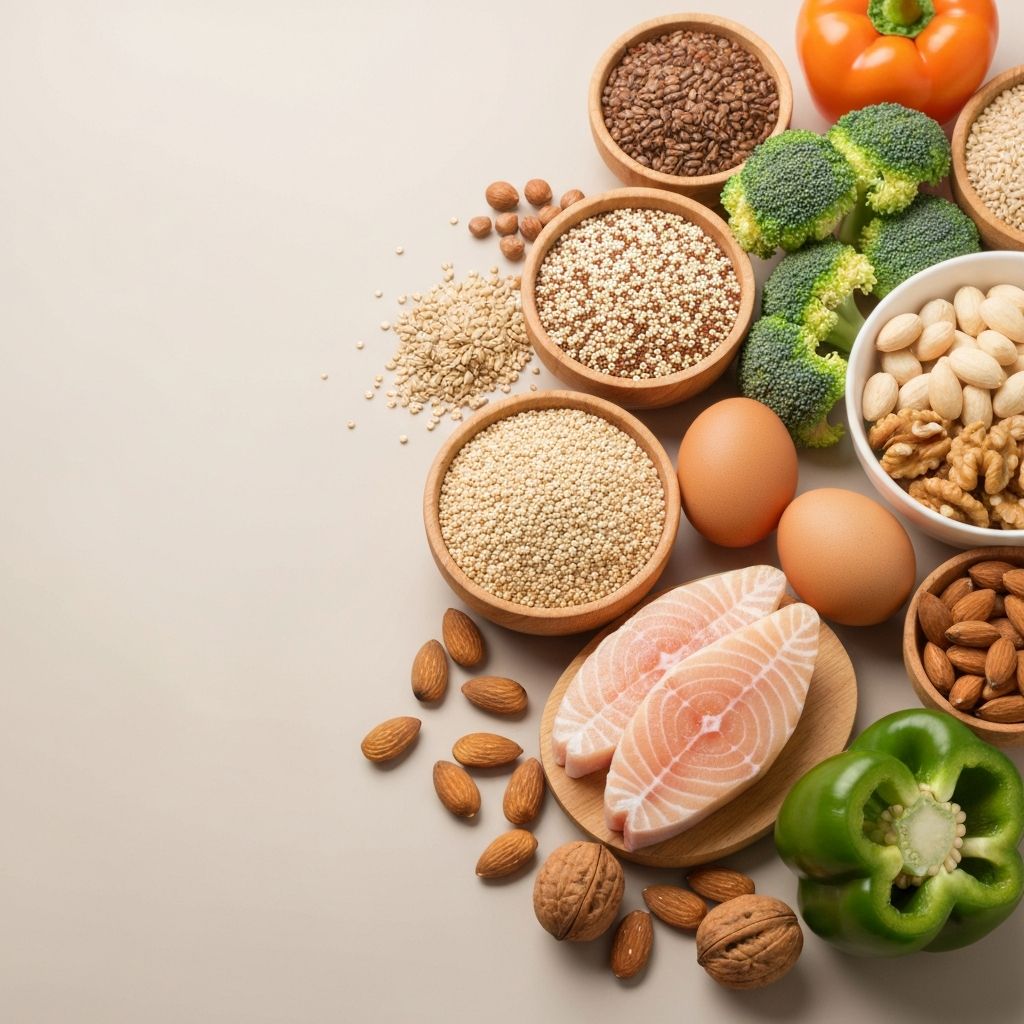
Essential Framework
A balanced nutritional approach involves consuming diverse foods that provide different nutrient profiles. Understanding these roles helps explain why variety matters in everyday food choices. The human body requires different elements to support various physiological processes, from energy production to cellular function.
Key concept: Nutrient diversity comes from consuming different food groups. Each food source brings different combinations of vitamins, minerals, and macronutrients that work together in daily metabolism.
Core Nutrients and Their Functions
| Nutrient | Primary Roles | Found In |
|---|---|---|
| Zinc | Supports immune function, protein synthesis, DNA production | Chickpeas, pumpkin seeds, natural cheese, nuts |
| Vitamin D | Regulates calcium absorption, supports bone health, immune function | Mackerel, eggs, natural cheese, sunlight exposure |
| Iron | Oxygen transport in blood, energy metabolism, cognitive function | Spinach, lentils, chickpeas, red meat, seeds |
| Folate | DNA synthesis, cell division, homocysteine metabolism | Spinach, asparagus, lentils, Brussels sprouts |
| Omega-3 Fatty Acids | Supports cardiovascular health, brain function, inflammation response | Mackerel, other fatty fish, walnuts, flax seeds |
| Antioxidants | Protect cells from oxidative stress, support various metabolic processes | Berries, leafy greens, carrots, Brussels sprouts |
Featured Natural Sources

Mackerel
Nutrient Profile: Rich in omega-3 fatty acids and vitamin D. Mackerel contains significant amounts of EPA and DHA, which play roles in cardiovascular and brain function. The vitamin D content contributes to calcium regulation and immune response.
General Information: A fatty fish available in various culinary preparations, commonly consumed in Mediterranean and Northern European cuisines.
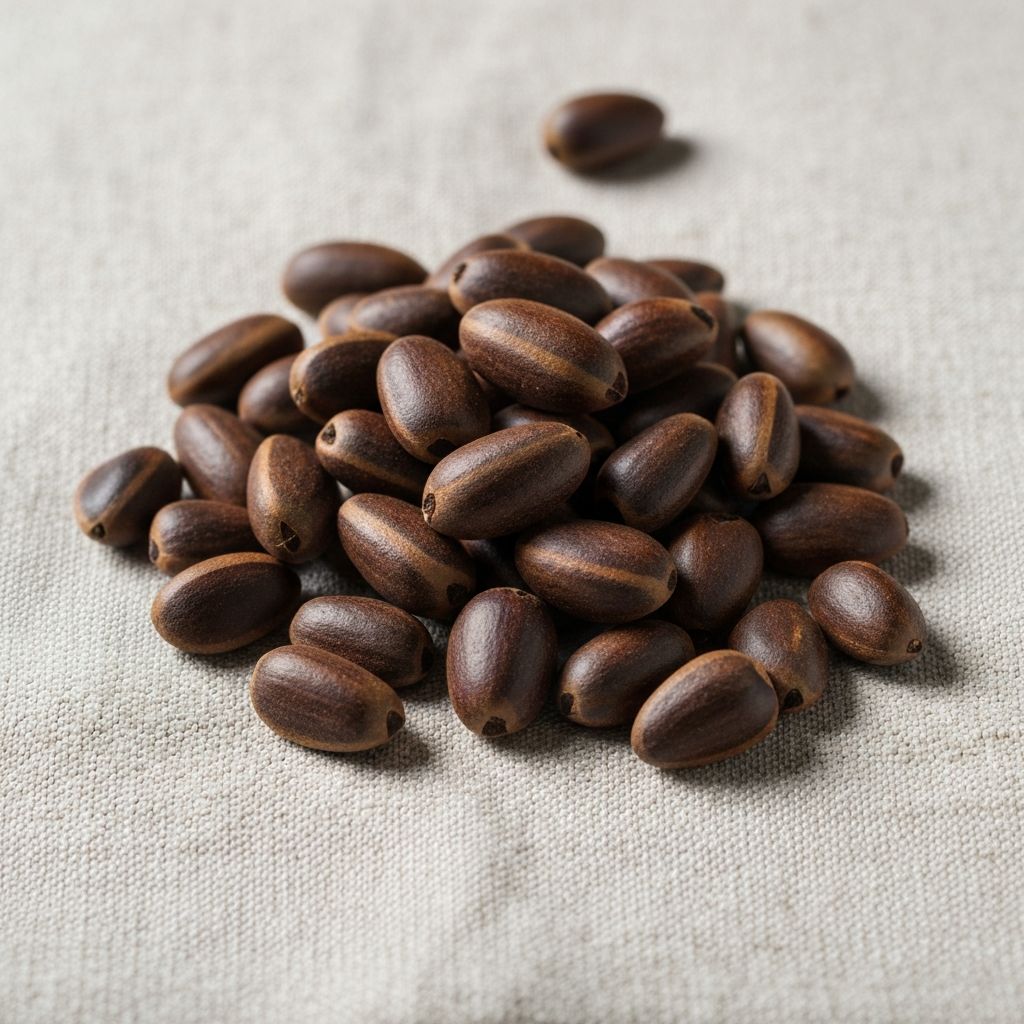
Cedar Nuts
Nutrient Profile: High in zinc and vitamin E. Cedar nuts provide substantial mineral content and support antioxidant status. Rich in plant-based proteins and healthy fats.
General Information: Traditional nuts found in coniferous forests, valued in Eastern European and Asian cuisines for their nutrient density and flavor.
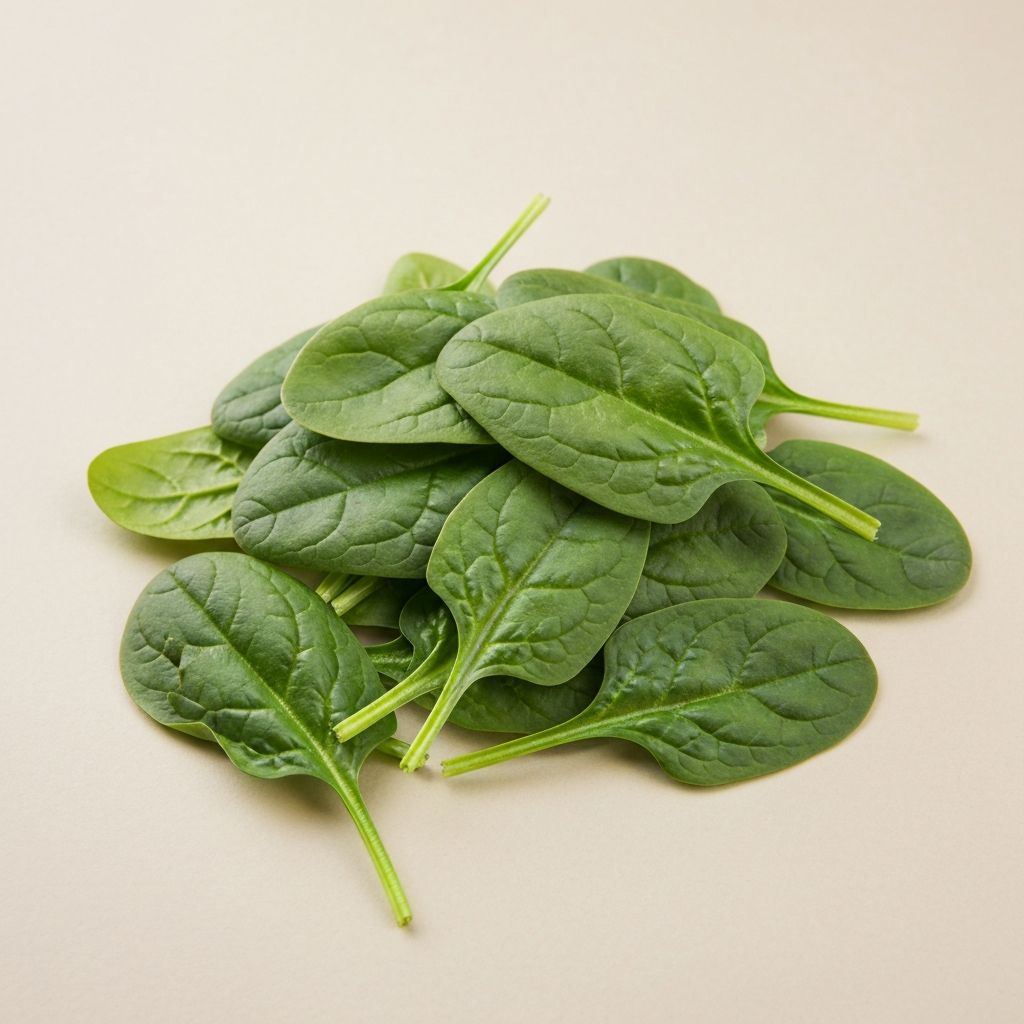
Spinach
Nutrient Profile: Excellent source of iron and folate. Spinach contains various phytochemicals and minerals that support diverse physiological processes. Available fresh or cooked.
General Information: A leafy green vegetable widely cultivated and used in cuisines worldwide, adaptable to various culinary applications.
Zinc in Daily Nutrition
Role in the body: Zinc supports immune cell function, protein synthesis, wound healing, and DNA production. It plays a role in enzyme systems that support energy metabolism.
Natural sources: Chickpeas, pumpkin seeds, natural cheese, nuts (cedar, cashew), beef, and legumes contain varying amounts of zinc. The bioavailability varies based on food source and overall dietary composition.
General context: Understanding different food sources helps explain dietary variety. Zinc intake patterns vary widely based on cultural food preferences and available ingredients in different regions.

Vitamin D: Sources and Significance
Role in the body: Vitamin D regulates calcium absorption for bone health, supports immune function, and influences various cell signaling processes. The body can produce vitamin D through sun exposure, and it's also found in food sources.
Natural food sources: Mackerel, eggs, natural cheese, and certain mushrooms contain vitamin D. The amounts vary significantly based on how foods are produced and prepared.
General information: Vitamin D status depends on multiple factors including geographic location, sun exposure, and dietary intake. Understanding these factors helps explain why nutritional needs vary among individuals.

Iron in Natural Diet
Understanding Iron
Physiological role: Iron is essential for oxygen transport via hemoglobin in red blood cells. It supports energy metabolism and cognitive function. The body has mechanisms for regulating iron absorption based on current stores.
Natural sources: Spinach, lentils, chickpeas, beans, seeds, and red meat contain iron. Plant-based sources (non-heme iron) have different absorption patterns compared to animal sources (heme iron). The presence of vitamin C can enhance absorption of plant-based iron.
Context: Iron intake patterns vary based on dietary choices and food availability. Understanding different sources explains why diverse food selection is discussed in nutritional contexts.
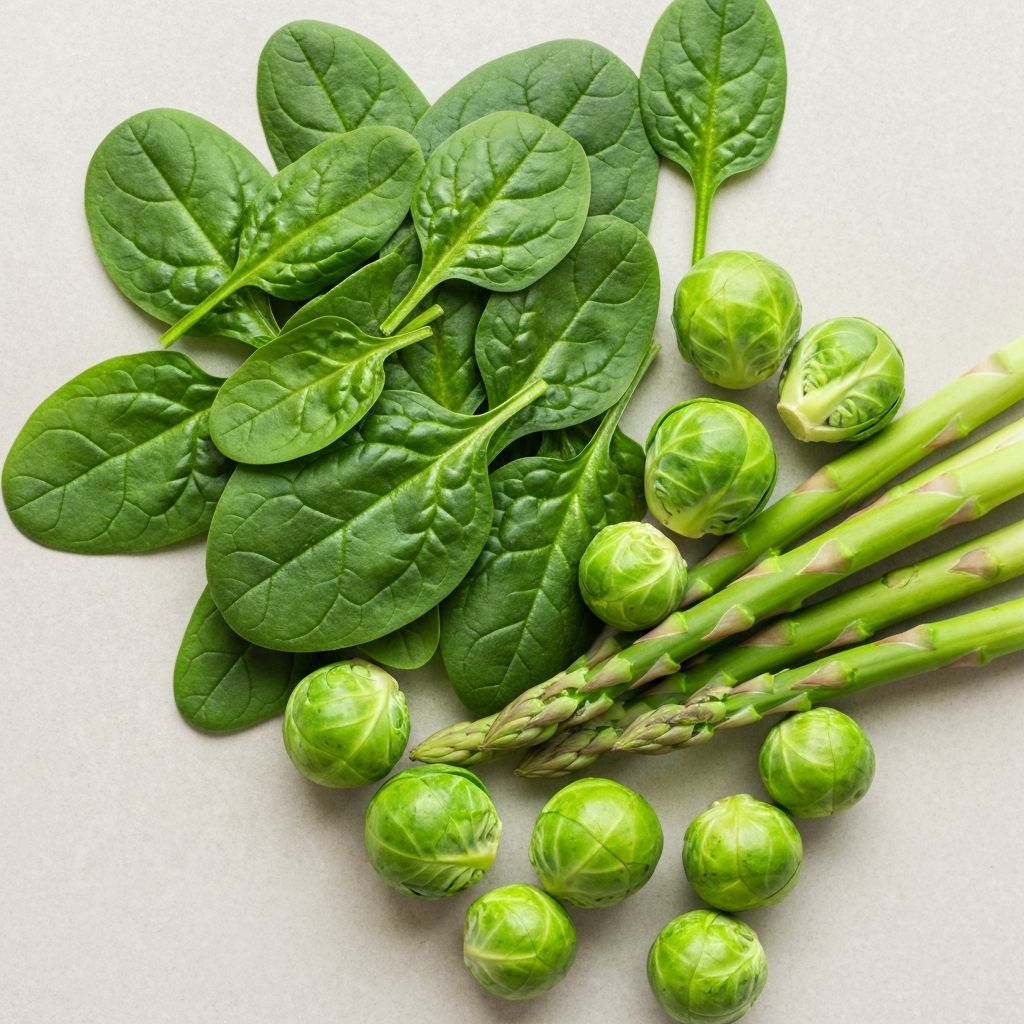
Folate-Rich Foods
Nutritional significance: Folate (vitamin B9) plays crucial roles in DNA synthesis, cell division, and amino acid metabolism. It supports various physiological processes at the cellular level.
Natural sources: Spinach, asparagus, lentils, chickpeas, Brussels sprouts, and other leafy greens contain substantial amounts of folate. The bioavailability of folate from different sources varies.
General knowledge: Folate intake is one component of overall nutritional status. The presence of folate in diverse plant sources explains why plant variety is emphasized in general nutrition discussion.
Antioxidants in Nutrition
Natural foods contain compounds that protect cells from oxidative stress through various biochemical mechanisms.

Antioxidant-Rich Berries
Blueberries, blackberries, and raspberries contain various phytochemicals that function as antioxidants. These compounds support the body's natural defense systems against oxidative processes.

Antioxidant Vegetables
Carrots, Brussels sprouts, and other colorful vegetables provide various antioxidant compounds. The diversity of colors reflects different phytochemical profiles in different plant foods.
Meal Structure Context
Meal structure refers to how foods are organized within daily eating patterns. Different cultures and individuals have different approaches to meal composition and timing.
General principles discussed: Including diverse foods across meals, varying food sources, and maintaining consistency in eating patterns are common concepts in nutritional contexts.
Individual variation: Actual meal composition, portions, and timing vary significantly based on individual preferences, cultural backgrounds, work schedules, and personal health contexts. What works in nutritional theory may look different in practical application for different people.
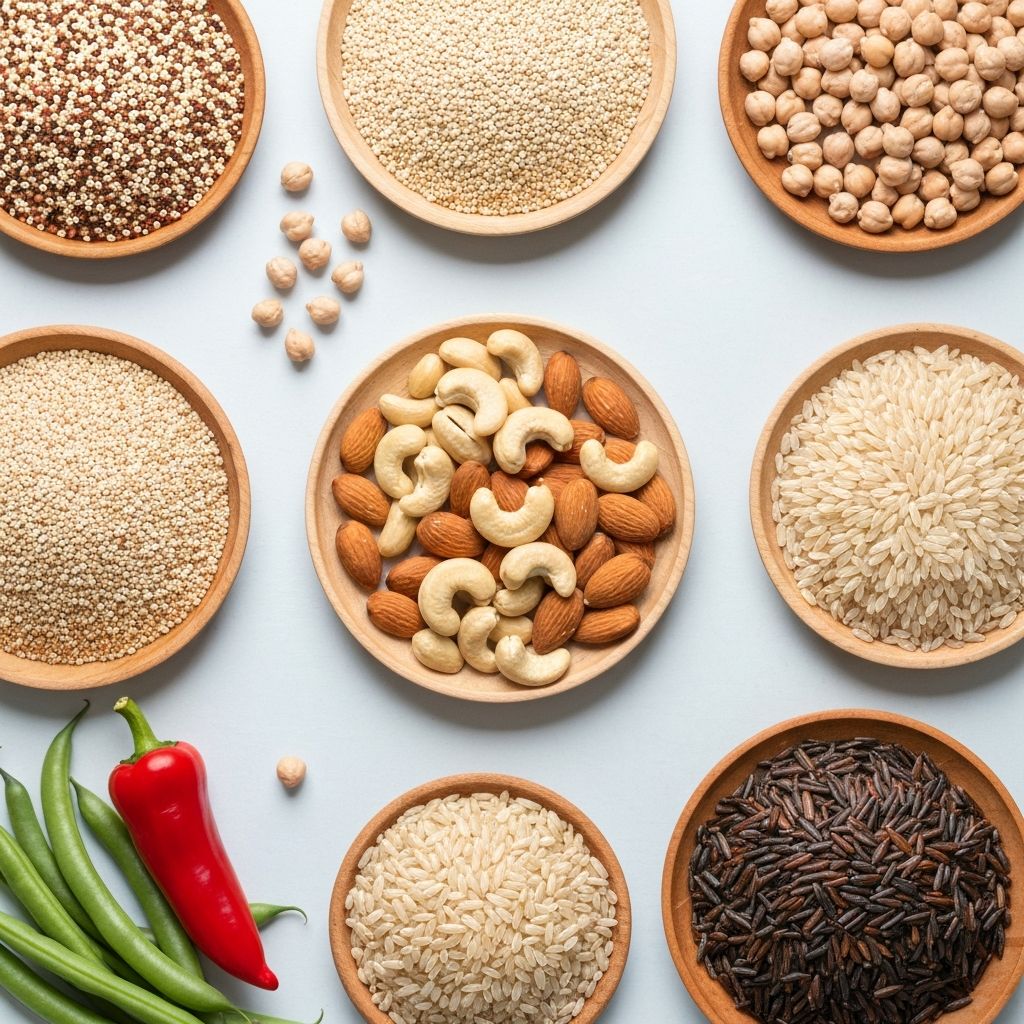
Nutrient Variety and Balance
Why Variety Matters
Nutritional concept: Different foods provide different nutrient combinations. Variety in food selection helps ensure intake of diverse micronutrients and bioactive compounds.
Practical application: Consuming foods from different groups—vegetables, fruits, legumes, whole grains, proteins, nuts—provides different nutrient profiles. This principle explains why diverse food selection is discussed in general nutrition.
Individual needs: The specific balance and amounts that any individual actually needs depend on many personal factors. This guide provides informational context about food sources; individual nutritional planning should consider personal circumstances.
Daily Nutritional Balance: Context and Facts
General Understanding
Scientific basis: The human body requires various nutrients to function. These nutrients work in interconnected physiological systems, and deficiency in key nutrients can affect multiple body processes.
Daily intake context: Different organizations provide guidelines for nutrient intake, which vary based on age, gender, and activity level. These guidelines represent general recommendations for population groups, not prescriptions for individuals.
Important distinction: Guidelines differ from individual recommendations. Personal nutritional needs depend on specific health status, medications, genetics, lifestyle factors, and other individual circumstances that a qualified professional should evaluate.
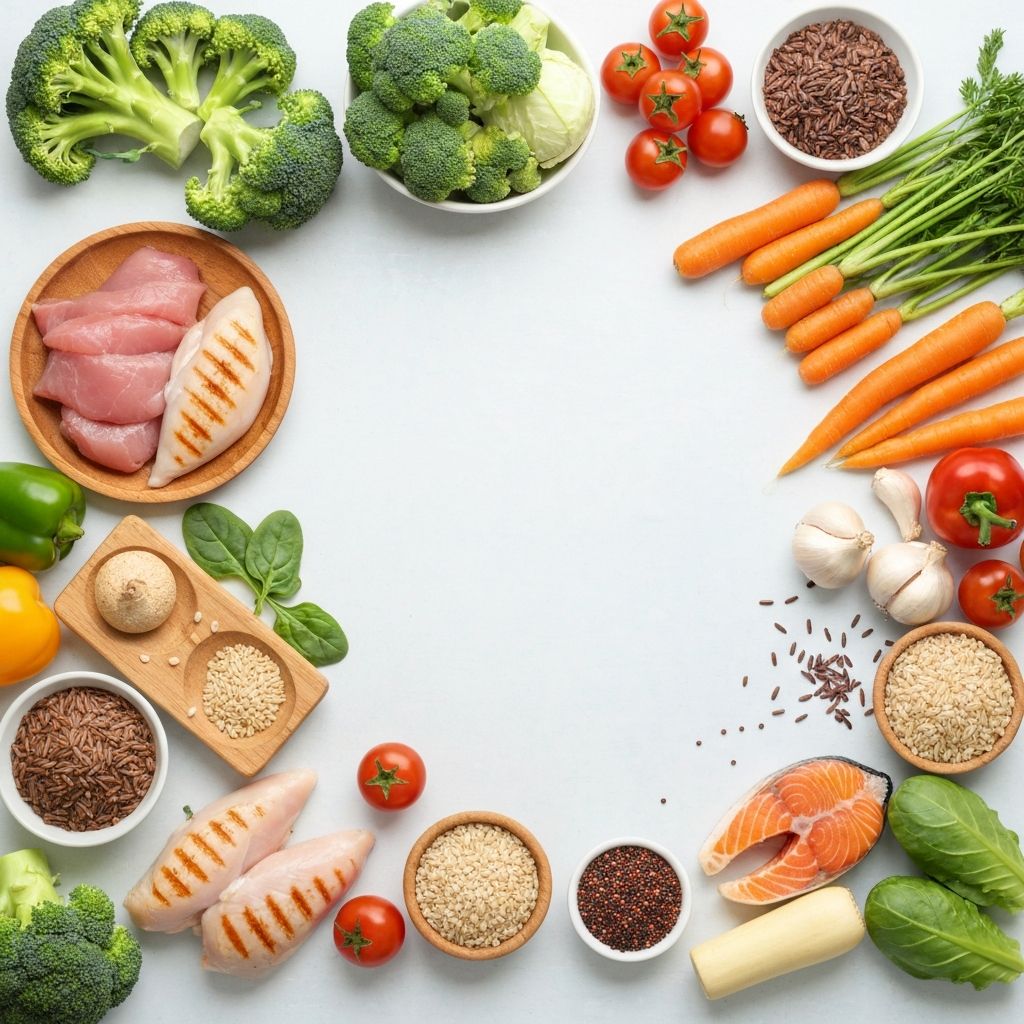
Scientific Perspectives
Nutritional science continues to evolve as researchers study how different foods and nutrients function in the body. Different research methods provide different types of evidence.
Understanding the scientific basis of nutrition helps explain why certain foods are discussed in relation to specific nutrients. This foundation supports the informational nature of this resource.
Important Information About This Content
Educational Purpose: This resource presents informational content about natural food sources and their nutrient content. It explains physiological roles of different nutrients and identifies where these nutrients are found in foods.
Not Medical Advice: This content is not medical advice, diagnosis, or treatment. Individual nutritional needs vary significantly based on personal health status, medical conditions, medications, genetics, and lifestyle factors.
Professional Consultation: For personalized nutritional guidance suited to your specific circumstances, consult with a qualified healthcare professional such as a registered dietitian or physician. They can evaluate your individual situation and provide recommendations appropriate for you.
Diverse Approaches: Different professionals and organizations may provide different perspectives on nutrition. What is appropriate varies based on individual contexts.
Continue Learning
Explore more detailed explanations about nutrition, food sources, and related topics.